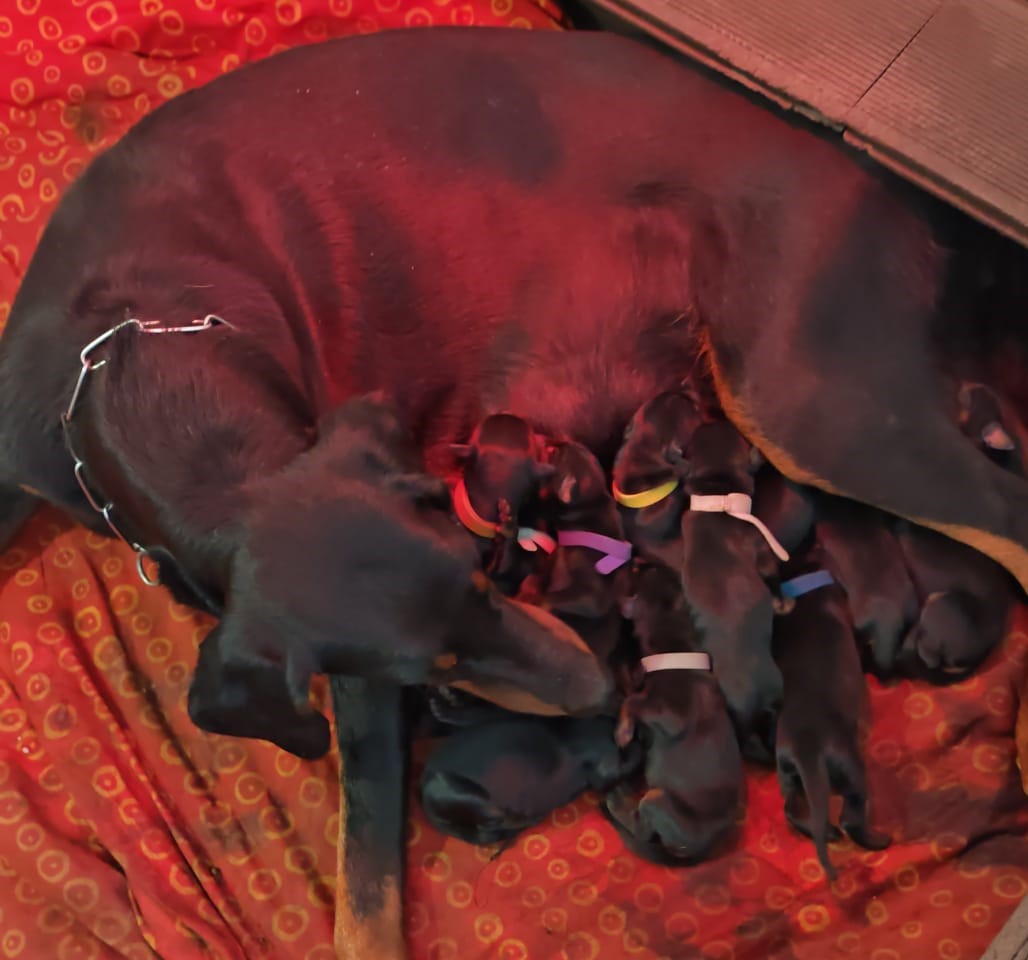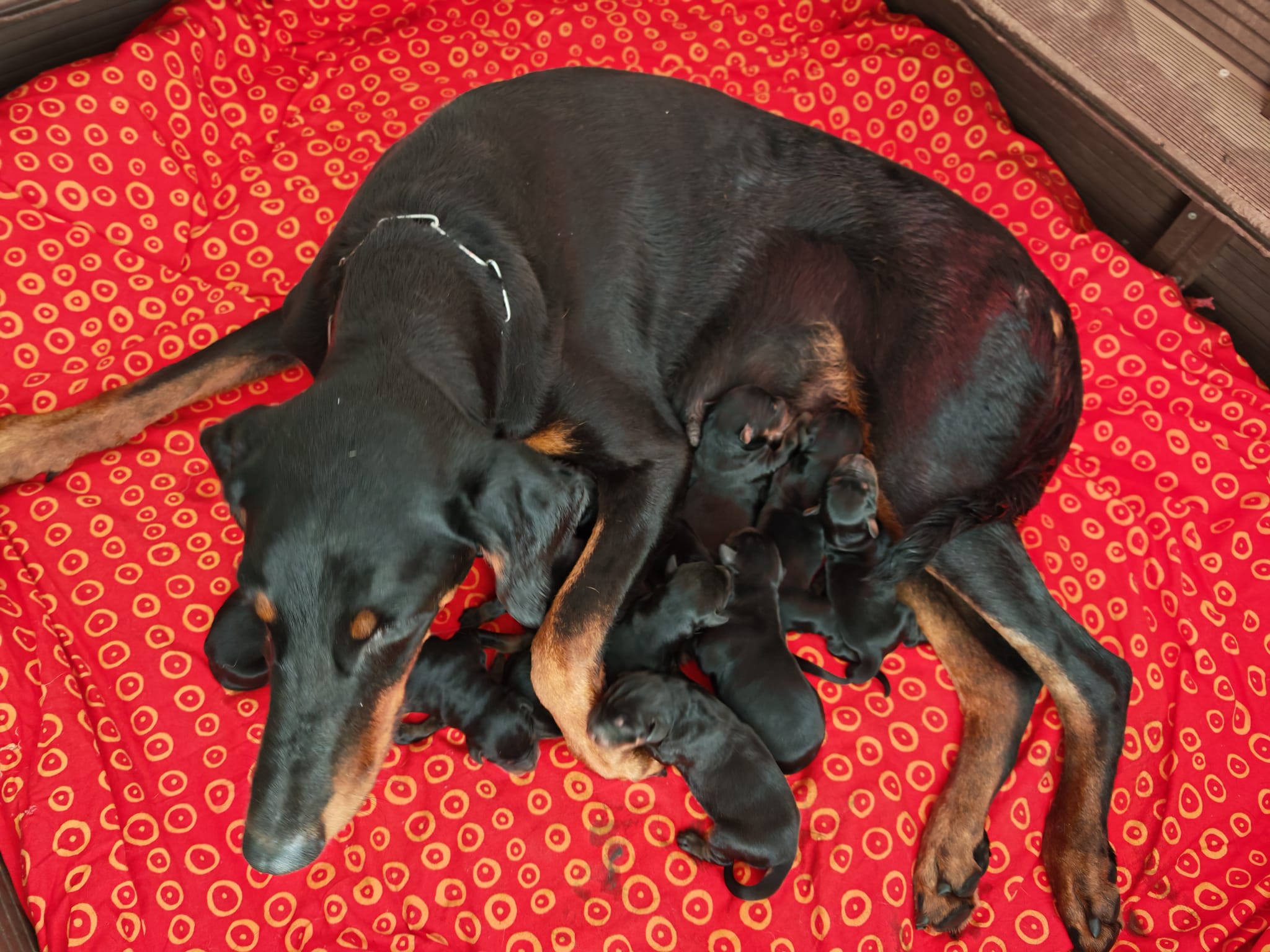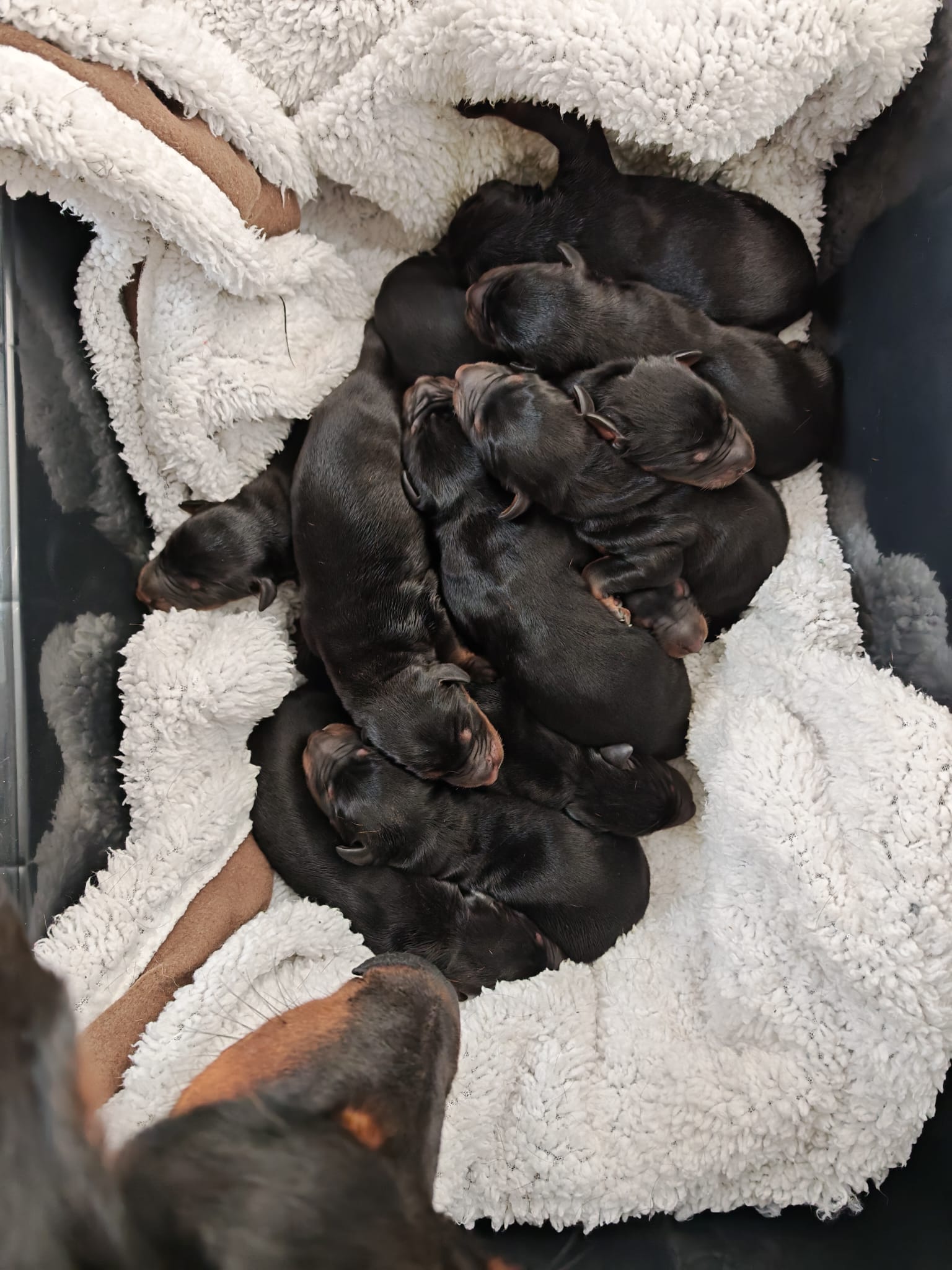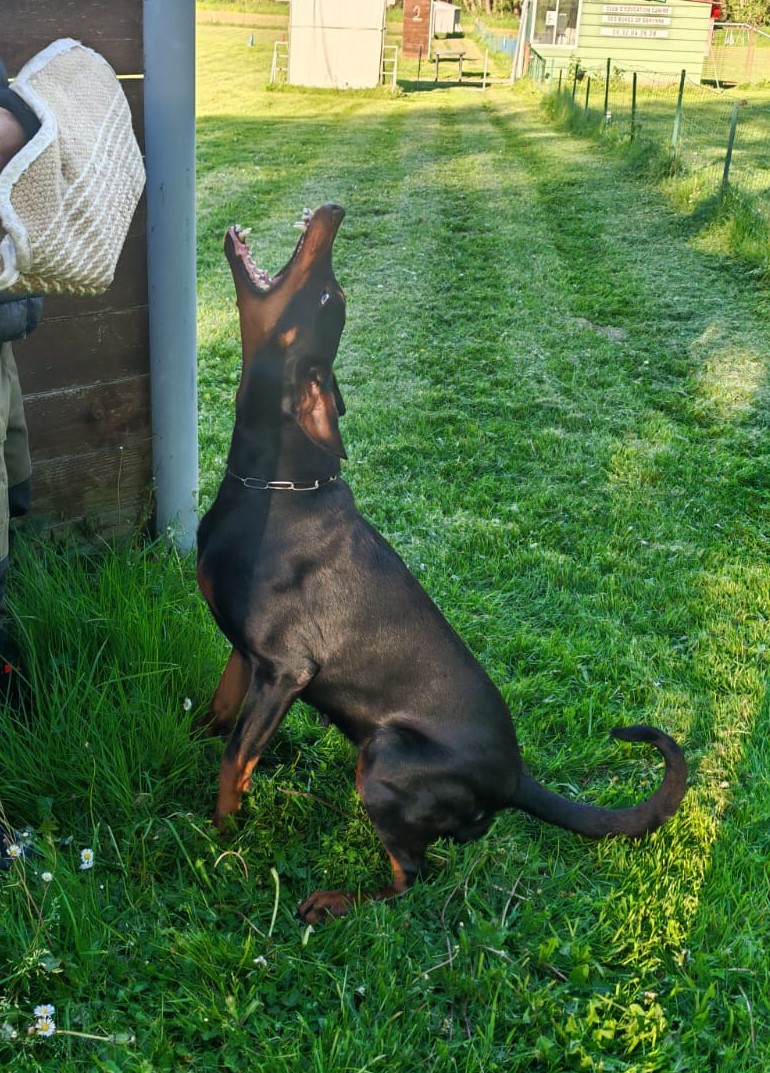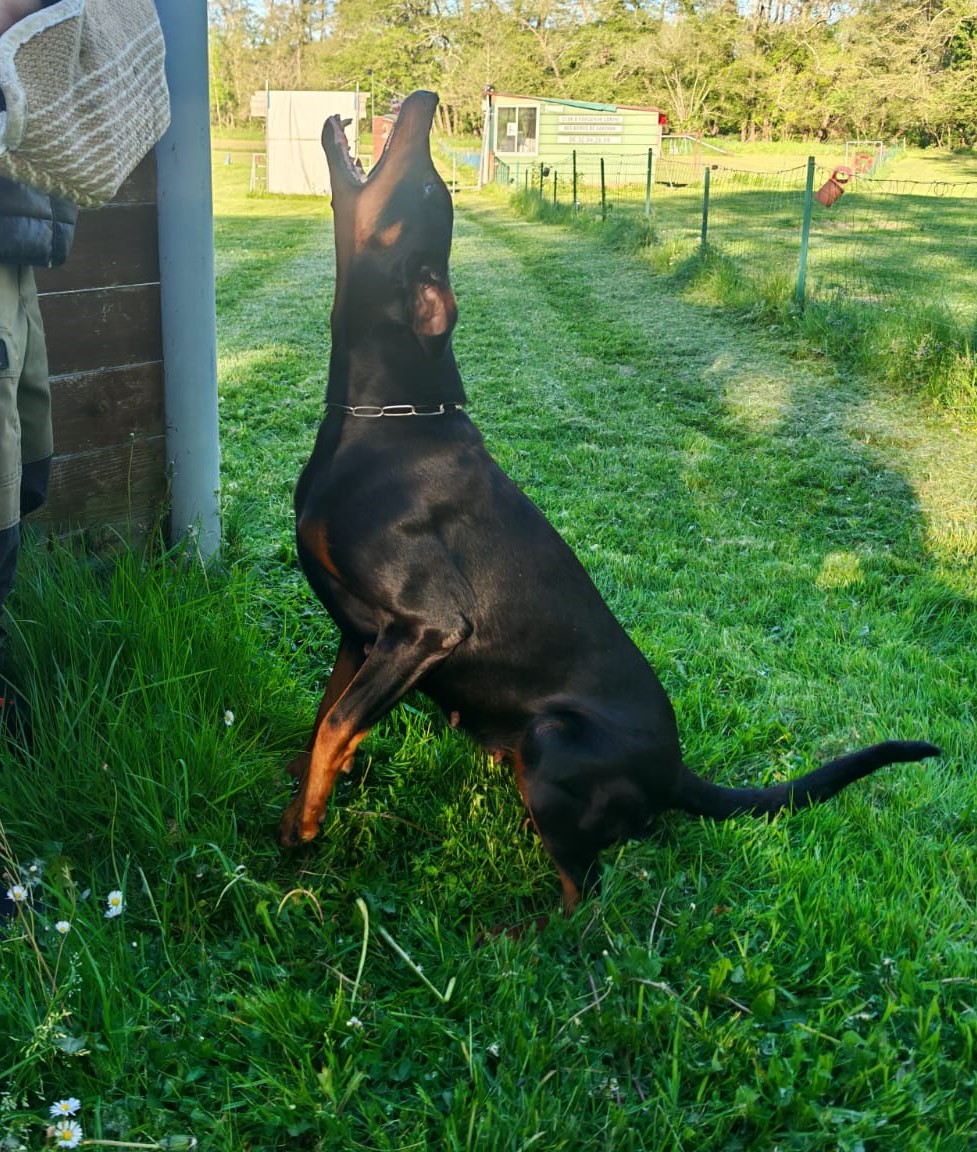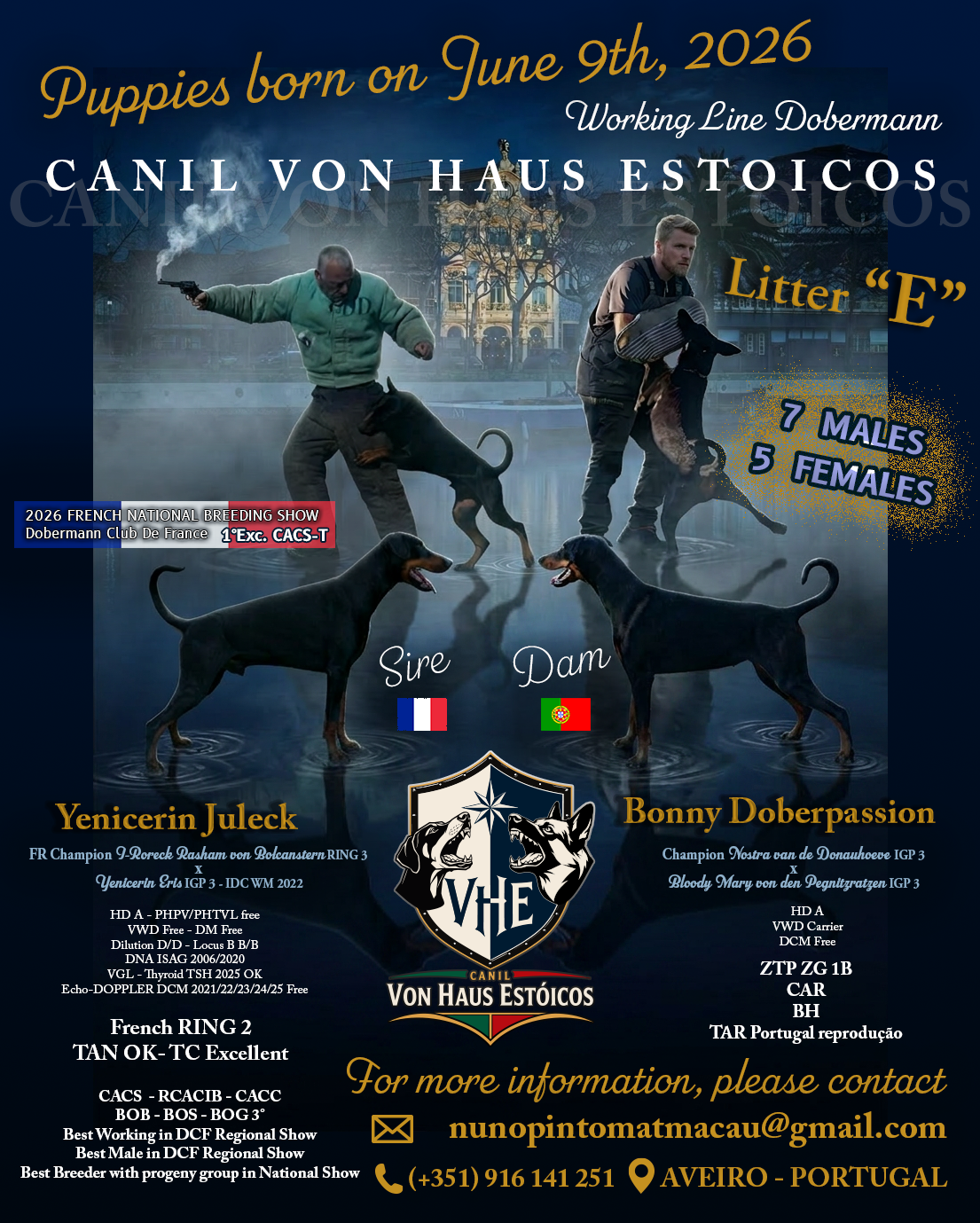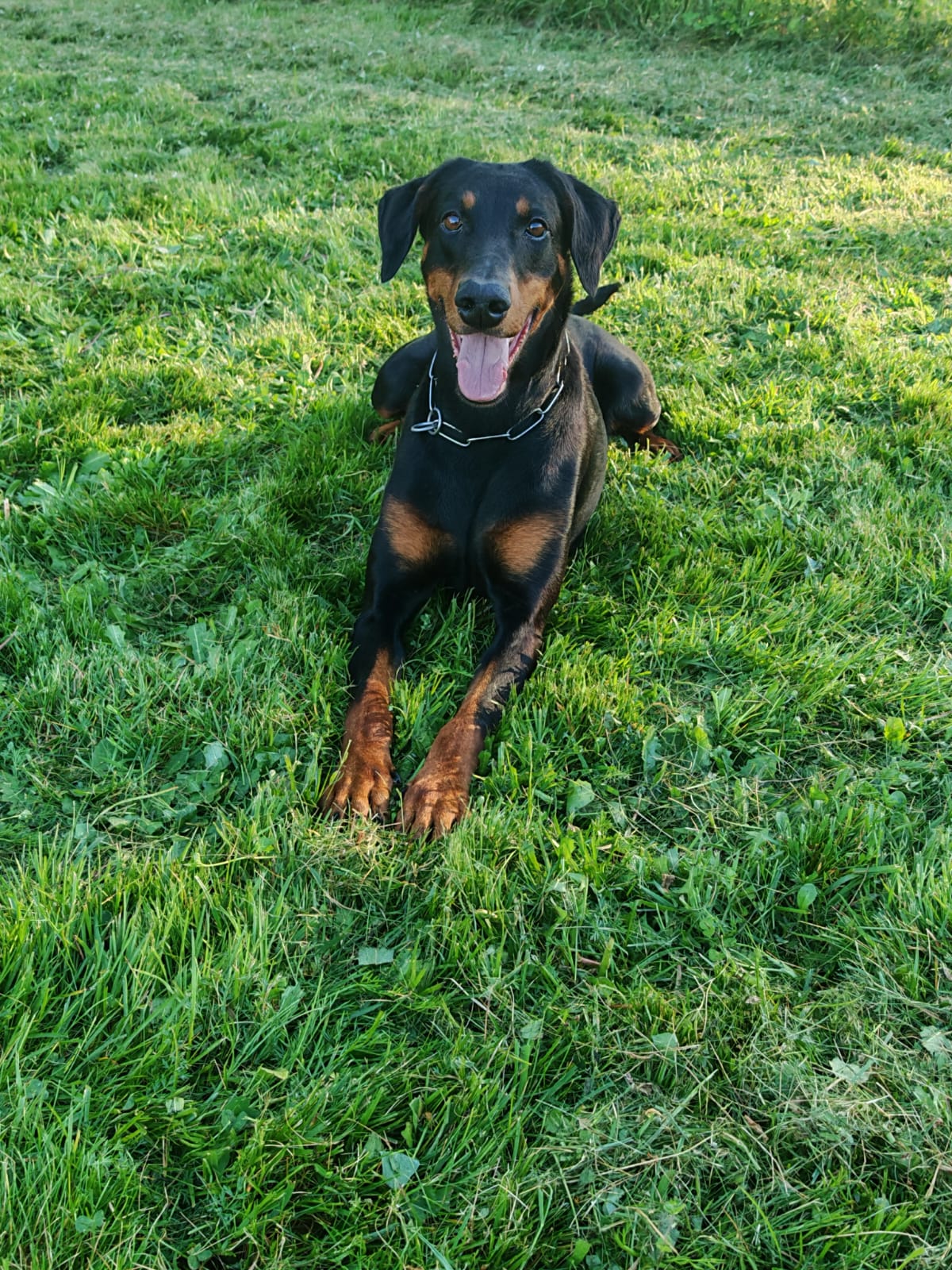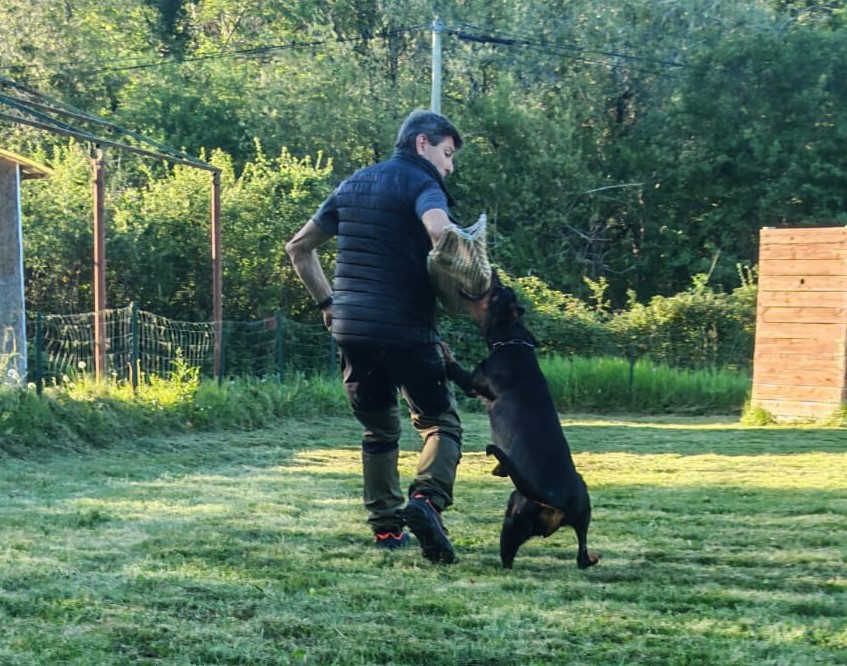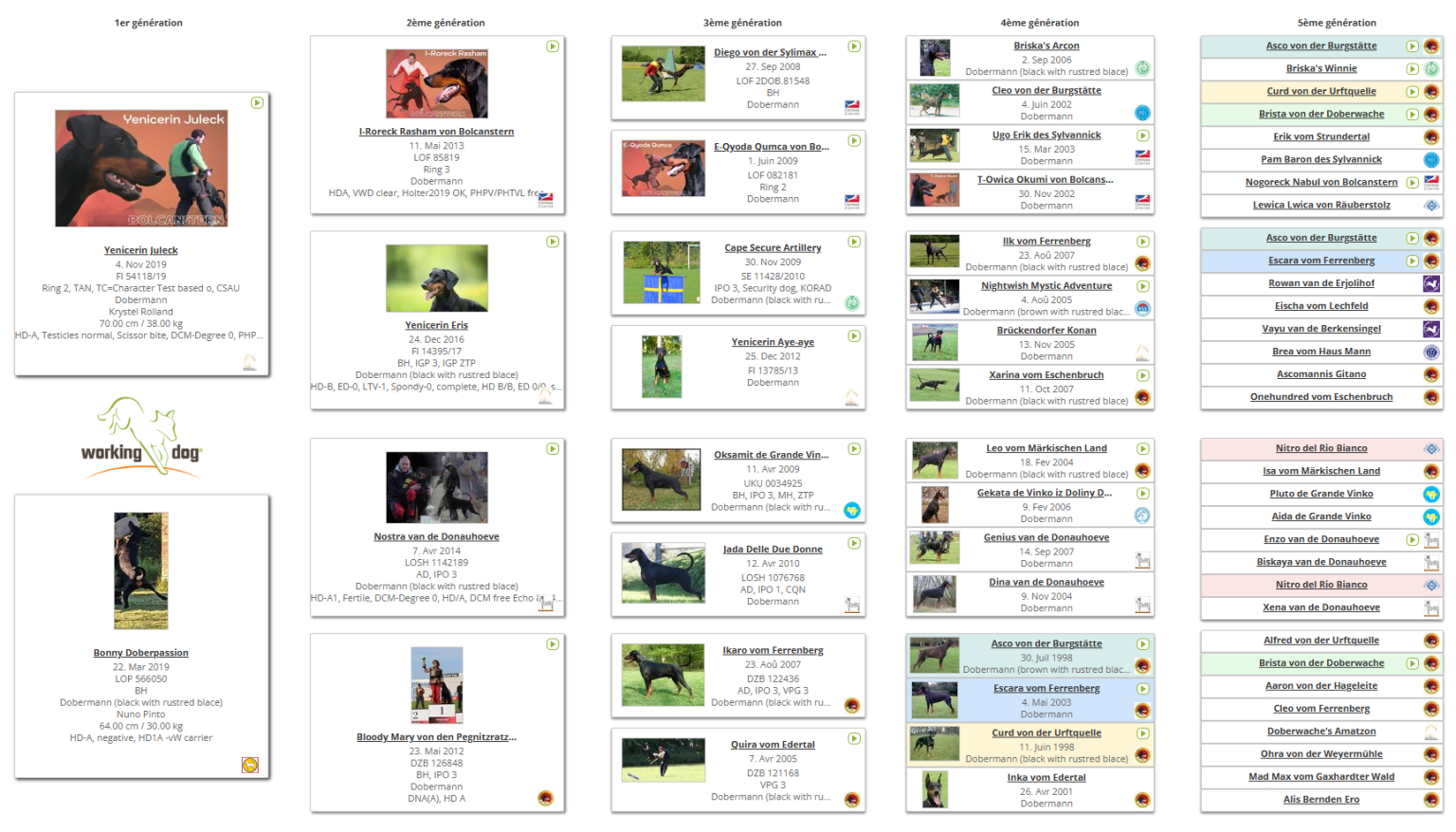
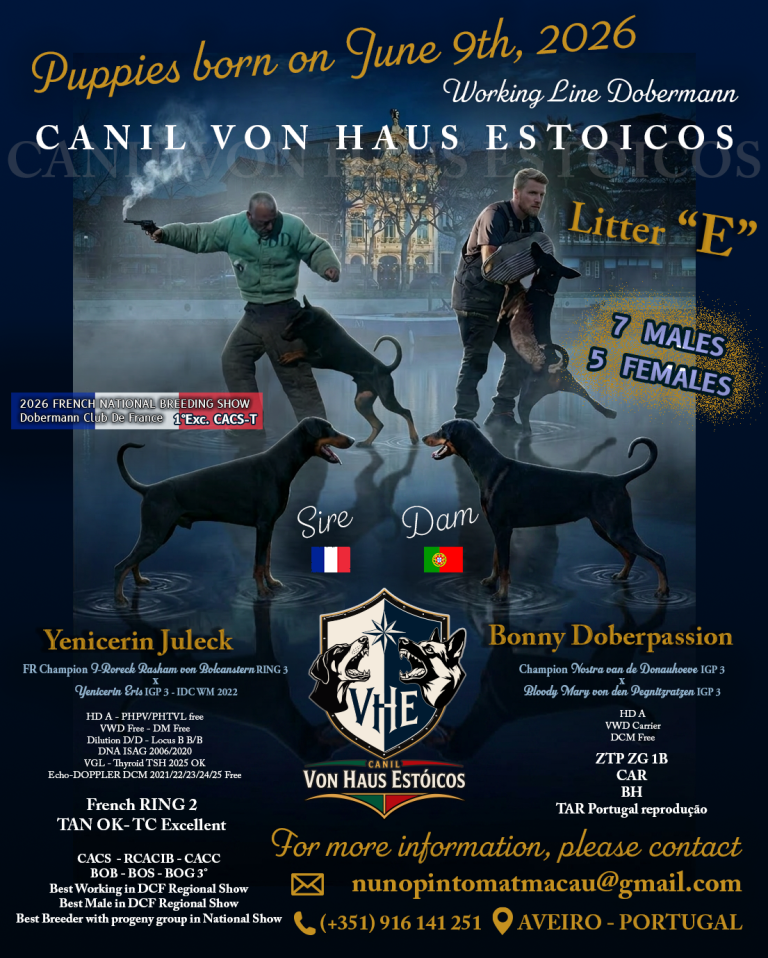

Para esta ninhada, a escolha do Juleck não foi feita com base num único critério, nem apenas nos seus resultados em pista ou em trabalho. Foi o resultado de uma reflexão aprofundada sobre aquilo que consideramos essencial para o futuro da raça: saúde, longevidade, aptidões, equilíbrio e tipicidade.
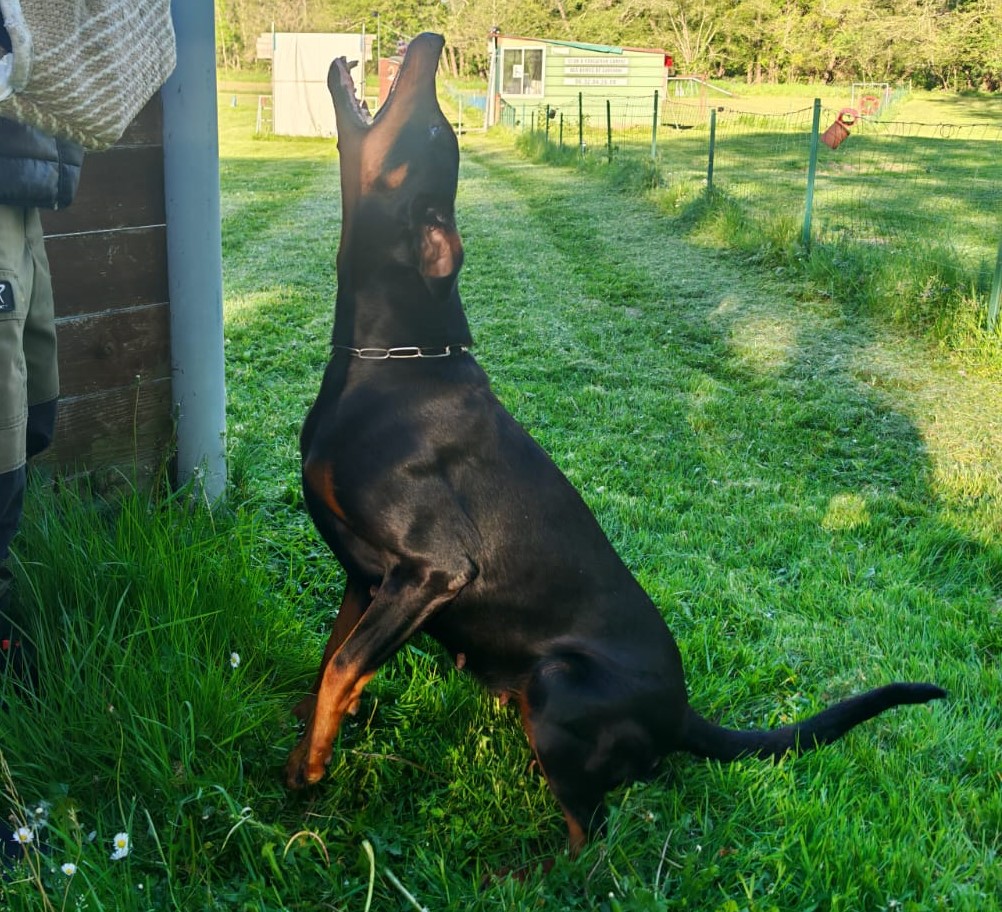
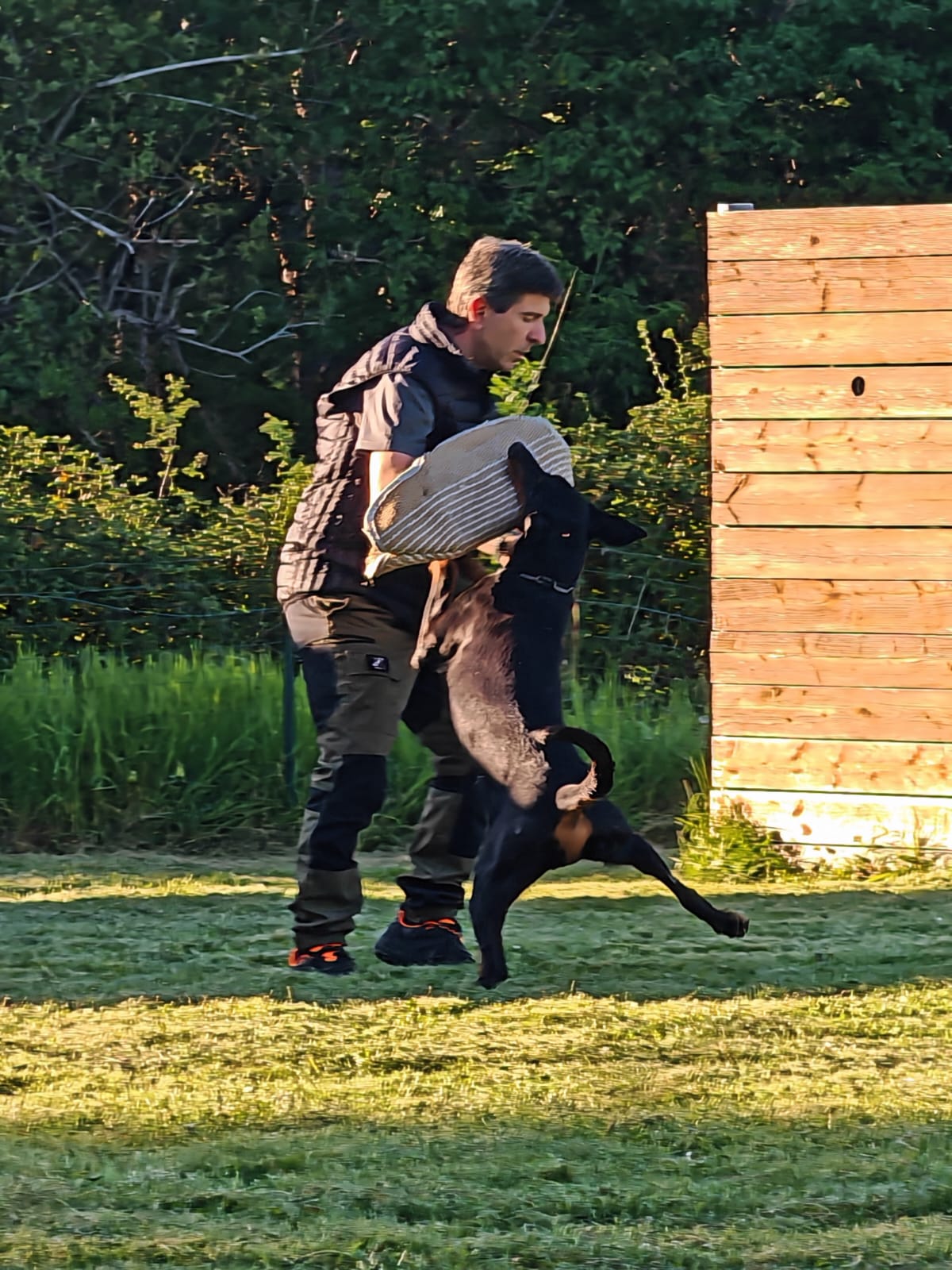
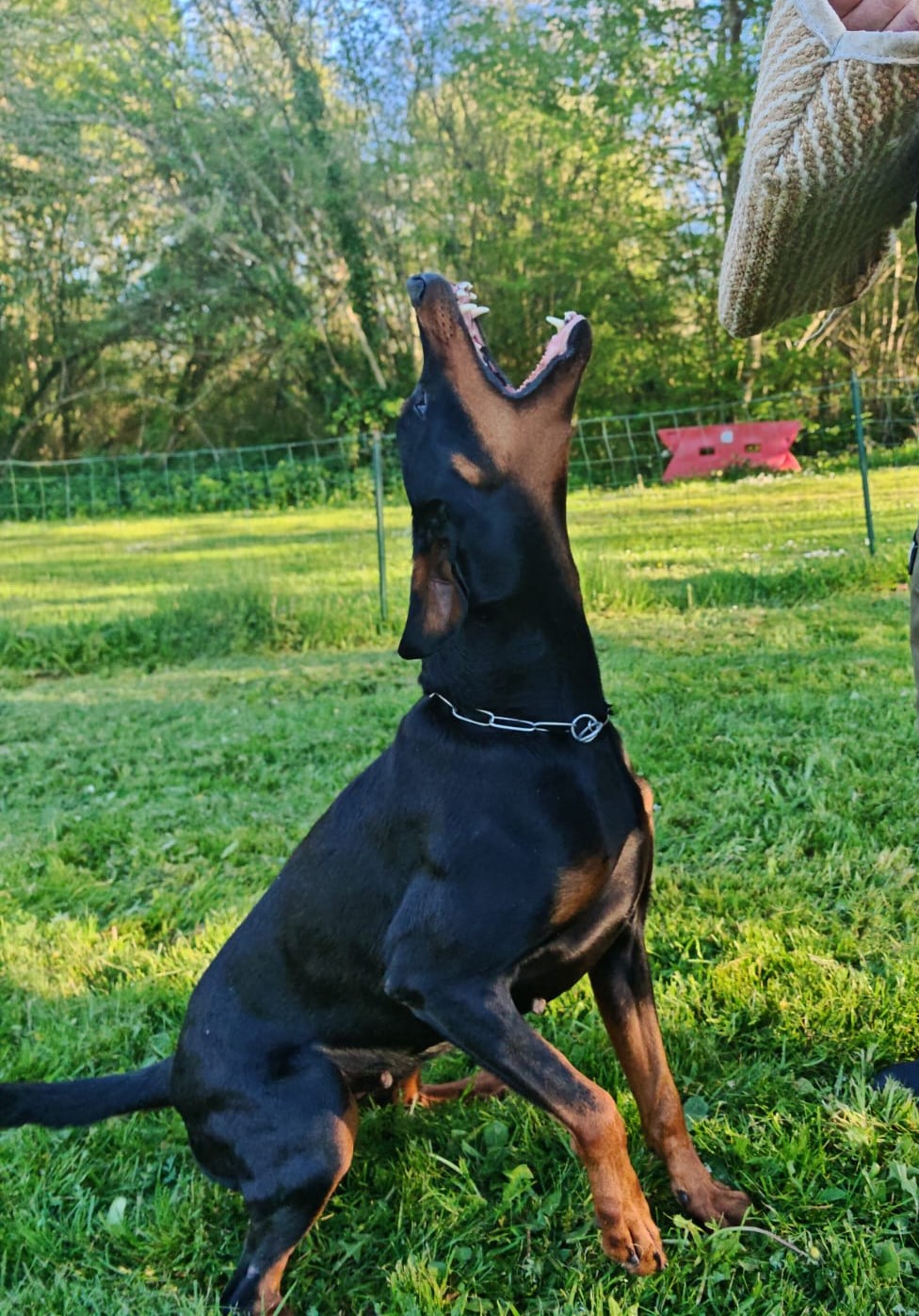
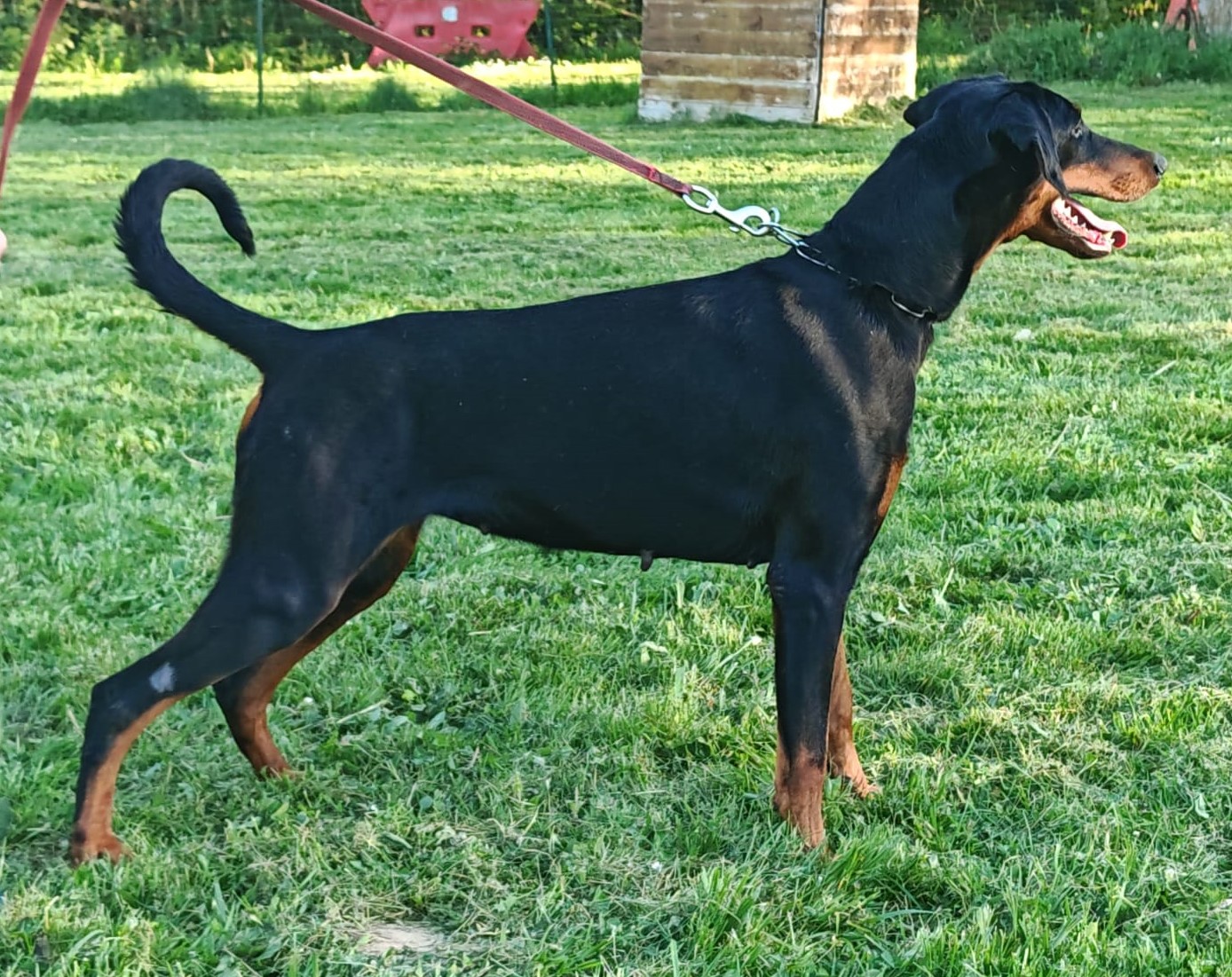
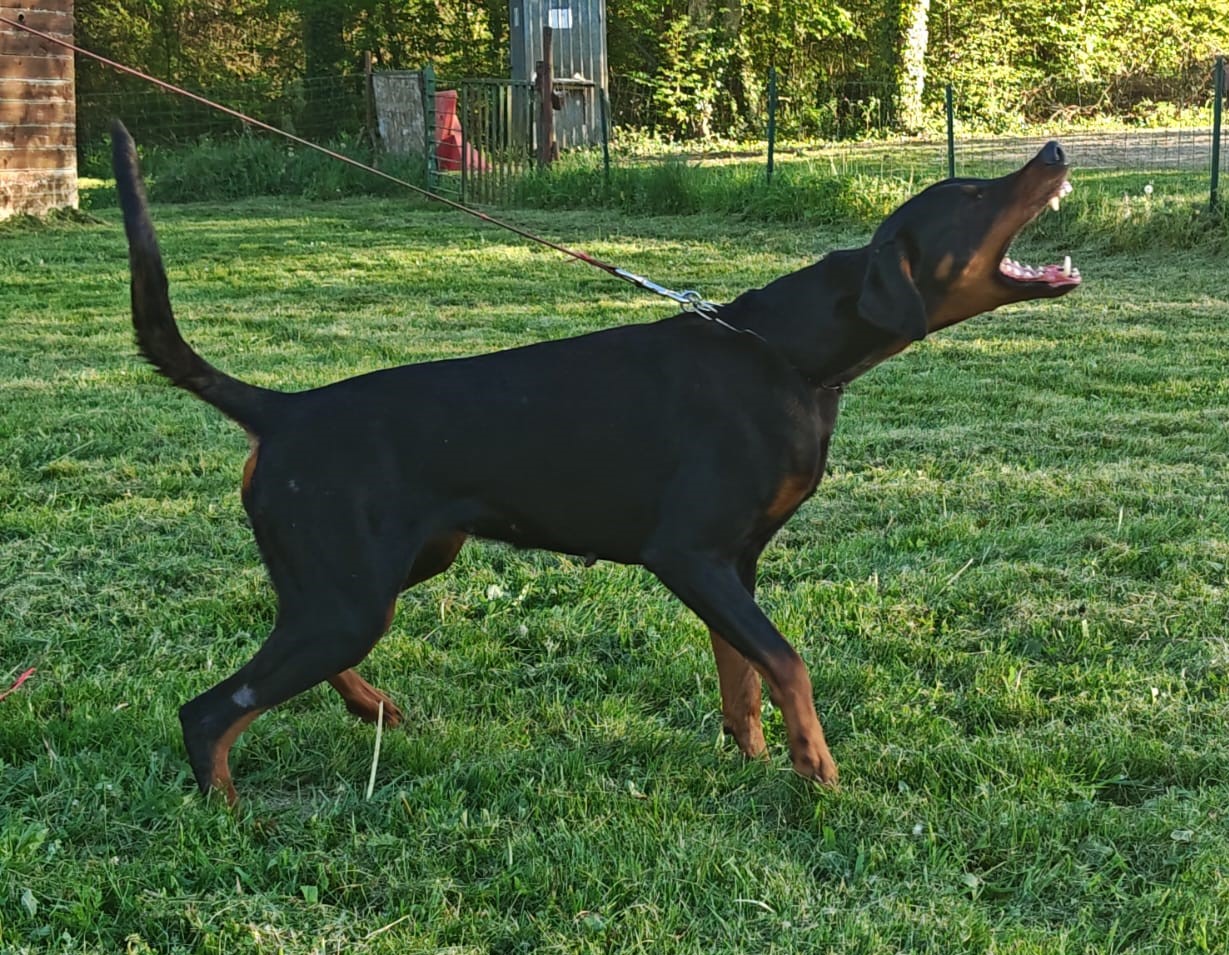
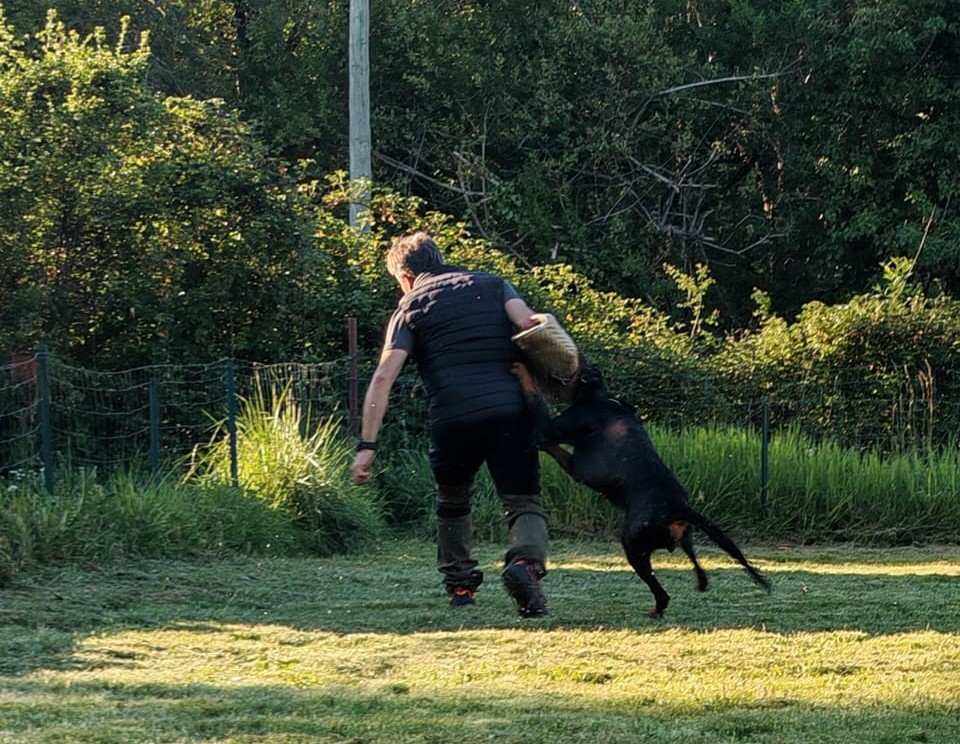
O Juleck é um cão que reúne qualidades morfológicas apreciáveis, um carácter equilibrado e aptidões de trabalho comprovadas. No entanto, aquilo que mais motivou esta escolha foi a análise global da sua genética e das famílias presentes no seu pedigree.
Ambos os reprodutores possuem os exames de saúde recomendados para a raça. Mas a nossa abordagem não se limita aos resultados individuais dos pais. Consideramos igualmente importante estudar os ascendentes, os irmãos, os colaterais e as famílias que compõem o pedigree, procurando reunir o máximo de informação disponível sobre saúde, longevidade e incidência de determinadas patologias ao longo das gerações.
Na linhagem do Juleck encontramos várias famílias históricas e influentes do Dobermann europeu de trabalho, nomeadamente Weyermühle, Doberwache, Burgstätte, Mooreiche, Langenhorst e Niederkassel. Muitas destas famílias apresentam numerosos cães que atingiram ou ultrapassaram os 10 anos de idade, algo que consideramos um indicador valioso quando se procura preservar a longevidade na raça.
Entre os ancestrais mais marcantes encontram-se cães como Kleo v.d. Weyermühle, Brista v.d. Doberwache, Gero v.d. Mooreiche, Cona v. Niederkassel, Ali v. Langenhorst e outros representantes destas famílias, conhecidos não apenas pela sua influência genética, mas também pela longevidade observada em vários descendentes e parentes próximos.
A escolha do Juleck para a Bonny procurou assim reunir vários elementos complementares:
Exames de saúde dos reprodutores;
Estudo das famílias e dos dados conhecidos sobre os ascendentes;
Presença de várias linhagens onde se observam numerosos cães longevos;
Aptidões de trabalho e equilíbrio de carácter;
Morfologia típica e funcional;
Diversidade genética coerente com os objetivos do acasalamento.
Este acasalamento não foi pensado para seguir modas, tendências ou estratégias de marketing. Foi pensado com base naquilo que acreditamos ser uma abordagem séria e responsável da criação: observar, estudar, comparar e tentar reunir o maior número possível de fatores favoráveis.
Naturalmente, a genética continua a ser uma questão de probabilidades e não de certezas. Nenhum criador responsável pode prometer ausência de doença, longevidade garantida ou um futuro perfeito para todos os cachorros. Isso simplesmente não existe.
O que podemos afirmar é que esta ninhada resulta de uma seleção cuidadosamente ponderada, baseada nos conhecimentos atualmente disponíveis, nos exames realizados, na análise das famílias e na vontade sincera de produzir Dobermanns saudáveis, equilibrados, funcionais e capazes de acompanhar as suas famílias durante muitos anos.
Na Von Haus Estoicos acreditamos que criar não é procurar a perfeição nem afirmar possuir a verdade absoluta. Criar é assumir a responsabilidade de tomar, com honestidade, rigor e humildade, as melhores decisões possíveis com a informação que temos hoje, procurando sempre contribuir positivamente para o futuro da raça.
É com esse espírito que esta ninhada foi concebida.”

For this litter, the choice of Juleck was not based on a single criterion, nor solely on his achievements in the show ring or working field. It was the result of a thorough evaluation of what we consider essential for the future of the breed: health, longevity, working ability, stability, and breed type.
Juleck is a dog who combines valuable morphological qualities, a balanced temperament, and proven working abilities. However, what motivated this choice above all was the overall analysis of his genetics and the families represented within his pedigree.
Both breeding dogs have undergone the health examinations recommended for the breed. However, our approach goes beyond the individual results of the parents. We believe it is equally important to study ancestors, siblings, collateral relatives, and the families that make up the pedigree, gathering as much information as possible regarding health, longevity, and the occurrence of specific diseases across generations.
Within Juleck’s lineage, we find several historical and influential European working Dobermann families, including Weyermühle, Doberwache, Burgstätte, Mooreiche, Langenhorst, and Niederkassel. Many of these families include numerous dogs that reached or exceeded 10 years of age, which we consider a valuable indicator when seeking to preserve longevity within the breed.
Among the most notable ancestors are dogs such as Kleo v.d. Weyermühle, Brista v.d. Doberwache, Gero v.d. Mooreiche, Cona v. Niederkassel, Ali v. Langenhorst, and other representatives of these families, known not only for their genetic influence but also for the longevity observed among many of their descendants and close relatives.
The decision to pair Juleck with Bonny was therefore intended to bring together several complementary elements:
• Health testing of both breeding dogs;
• Study of the families and available information concerning the ancestors;
• Presence of multiple bloodlines where numerous long-lived dogs have been observed;
• Working ability and stable temperament;
• Functional and typical Dobermann structure;
• Genetic diversity consistent with the objectives of the breeding.
This breeding was not planned to follow trends, fashions, or marketing strategies. It was designed according to what we believe to be a serious and responsible approach to breeding: observing, studying, comparing, and attempting to combine as many favorable factors as possible.
Naturally, genetics remains a matter of probabilities rather than certainties. No responsible breeder can promise the absence of disease, guaranteed longevity, or a perfect future for every puppy. Such guarantees simply do not exist.
What we can say is that this litter is the result of a carefully considered selection process, based on currently available knowledge, health testing, family analysis, and a genuine desire to produce healthy, balanced, functional Dobermanns capable of accompanying their families for many years.
At Von Haus Estoicos, we believe that breeding is not about pursuing perfection or claiming to possess absolute truth. Breeding means accepting the responsibility of making, with honesty, rigor, and humility, the best decisions possible based on the information available today, while always striving to contribute positively to the future of the breed.
It is in this spirit that this litter was conceived.”